
Indians have a huge presence on social media, with millions actively engaged on platforms like YouTube, Instagram and Twitter. India has one of the largest digital audiences in the world and content creators from India are making a huge impact in the fields of entertainment, technology, education and vlogging. Social media has transformed the way we communicate, consume content and express ourselves. Platforms like YouTube, Instagram and Facebook have introduced short-form videos and “reels” allowing users to showcase their creativity and gain recognition. However, in the relentless pursuit of likes, shares and viral fame, many have started crossing ethical and moral boundaries – sometimes putting themselves and others at risk!
The allure of instant fame has pushed social media users to extremes. People are willing to take risks – sometimes even putting their lives at risk – to get a few seconds of attention online. Whether it is performing dangerous stunts, trespassing in restricted areas or getting into extreme mischief, the desperation to go viral has led to reckless behaviour. Take, for instance, people who hang from skyscrapers without safety measures or those who disrupt public places for “fun” videos. While these clips can garner millions of views, they often come at a very high price. Many influencers have lost their lives while attempting daring feats, highlighting the dark side of this obsession with fame on social media.
In the name of entertainment, people start dancing inappropriately in public places like railway station, inside train, bus station, roadside, shopping mall, etc.
These days, in any corner of India or in any small or big city, in the name of entertainment, people start dancing inappropriately in public places like railway station, inside train, bus station, roadside, shopping mall, etc. to make social media reels. This makes people who are accompanying or around them feel very uncomfortable, the performers are performing and the people in front of them or those travelling in trains and buses feel embarrassed! Just think how embarrassing it would be if you come across such people from the Chapri community?
Some cross ethical boundaries by disrespecting people’s privacy, dignity or cultural values. Fake social experiments, staged charity work and insensitive pranks create misleading narratives, which exploit genuine emotions for engagement. Rather than fostering genuine human connection, such content serves to lure viewers for likes and shares. Moreover, the rise of inappropriate and borderline illegal content in the name of “trending challenges” has further blurred ethical boundaries. From harassing strangers on the street to damaging property, many individuals justify their actions under the guise of entertainment without considering the wider consequences.
YouTubers are not far behind in this, the dark truth of family vlog YouTubers.
The dark reality of being a personal vlog YouTuber in India is something that not many people get to see behind the scenes. While it may seem like an easy, glamorous life, the truth is far from it. Here are some of the harsh realities. Personal vloggers often expose their lives on the internet, leaving no room for privacy. Family members, especially children, can be unwittingly dragged into online scrutiny. Trolls and haters often target private moments as well, causing mental stress.
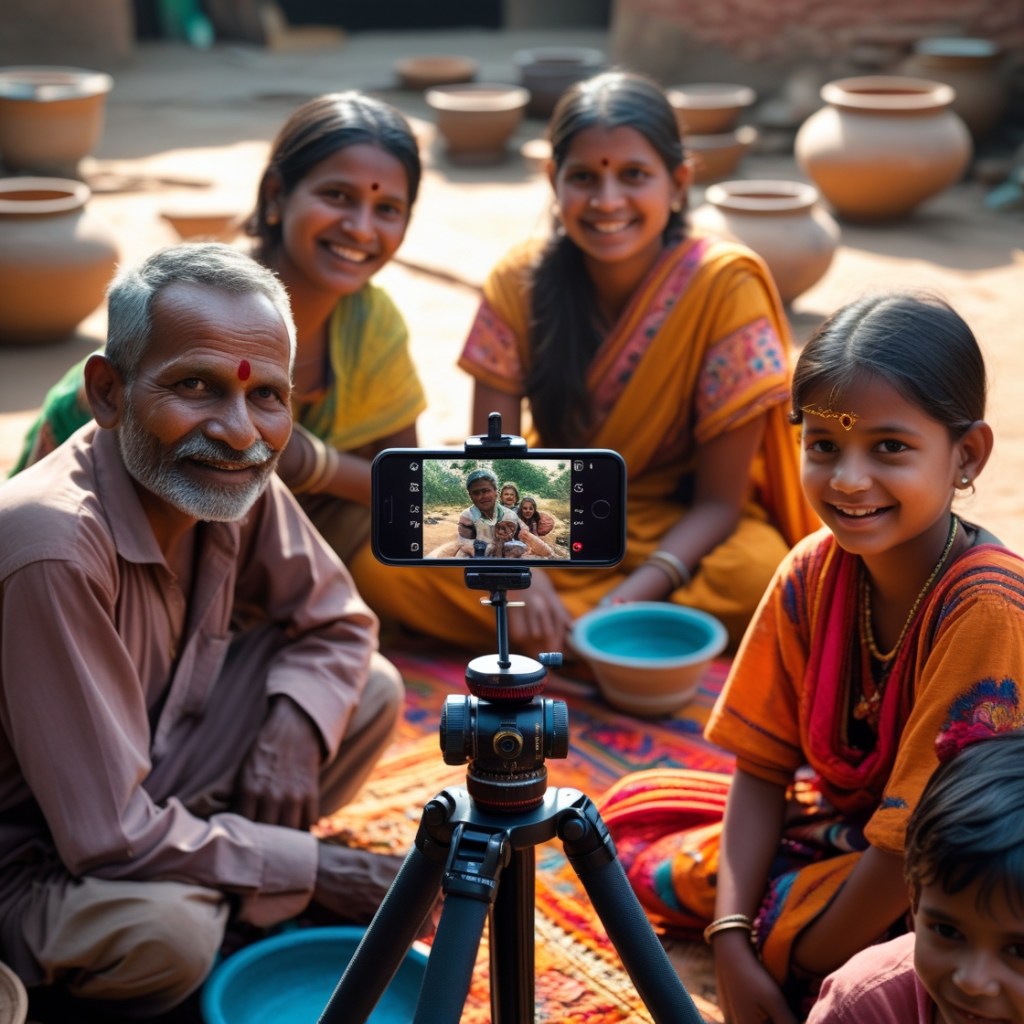
Exploiting children for views
Many family vloggers show their children too much, often turning their lives into daily content.
Children are filmed in vulnerable moments – crying, getting scolded or even during medical emergencies – all for the sake of engagement. These children do not consent to being shown online and may face long-term emotional consequences.
Invasion of privacy
Private lives are showcased, often revealing locations, schools and routines, making them vulnerable to security risks. Even intimate family moments – pregnancy, childbirth or funerals – are monetised.
Fake or scripted content
Many vloggers exaggerate or even fabricate family drama, arguments or emotional moments to attract views. Some create false stories of conflict and hardships to gain sympathy and financial support.
Mental pressure and burnout
Families feel the need to constantly create content to maintain engagement, leading to stress and tension. Children may be forced to perform or behave in a certain way, affecting their mental wellbeing.
Toxic positivity and unrealistic expectations
Many vloggers portray an overly perfect lifestyle – luxurious homes, extravagant trips and constant happiness.
This creates unrealistic standards for viewers, making them feel inadequate about their lives.
Legal and ethical issues
Many vloggers do not realise the legal risks of filming in public places without permission. Invasion of privacy, copyright claims, and defamation suits are risks that come with vlogging. Some vloggers cross ethical boundaries for views, such as by making fake pranks or clickbait content.
Short-term fame and career uncertainty
Only a few individual vloggers achieve great success; many disappear after a few years. Trends change quickly, and it’s hard to stay relevant. If YouTube stops being profitable or shuts down, many vloggers have no backup plan.
Final thoughts
Individual vloggers in India work hard to create engaging content, but behind the scenes, they face serious challenges. From financial instability to privacy issues, mental health struggles, and online hate, it’s not as easy as it looks.
 Blogger Unfiltered
Leave a comment